


When does my Hyundai need service? The honest answer is that it depends on more than the number on the odometer. How often you drive, where you drive and how long the vehicle sometimes sits all matter too.
Some drivers reach their next service interval quickly. Others may only put a few thousand kilometres on their Hyundai each year. In both cases, regular checkups still matter.
a low-mileage vehicle may still need service. Batteries weaken, tires age and brakes can develop corrosion even when the vehicle is not driven very far.
When Does My Hyundai Need Service Based on Mileage or Time?
You should pay attention to both mileage and time. According to Hyundai Canada’s general maintenance guidance, 2020 and older Hyundai vehicles are serviced every 6 months or 6,000 kilometres, while 2021 and newer models are serviced every 6 months or 8,000 kilometres. In either case, follow whichever comes first.
This means your Hyundai may still be due for service even if you have not reached the kilometre limit. Oil, fluids, batteries, brakes and rubber components can still age while the vehicle sits.
Exact requirements can vary by model, powertrain and driving conditions. Check your owner’s manual or contact our service team to confirm the correct schedule for your Hyundai. A routine inspection may catch wear before it turns into a larger repair.
The Way You Drive Makes a Difference
Driving around White Rock and Surrey is not the same as cruising on an empty highway all day. There are short trips, busy intersections, hills and plenty of stop-and-go traffic.
Weekend driving can look completely different. Maybe you head into the mountains, tow a small trailer or spend time on gravel roads while camping. Those trips can be harder on brakes, tires, filters and suspension components.
That is why two vehicles with the same mileage may not need exactly the same attention.
Do Not Wait for a Dashboard Light
A warning light is an obvious reason to book an appointment, but it is not the only one. Your Hyundai may give you smaller clues first.
You know how your vehicle normally feels. If something changes, it is worth getting it checked. Waiting until the next scheduled visit could allow a small issue to become a more expensive one.
What Happens During Routine Hyundai Service?
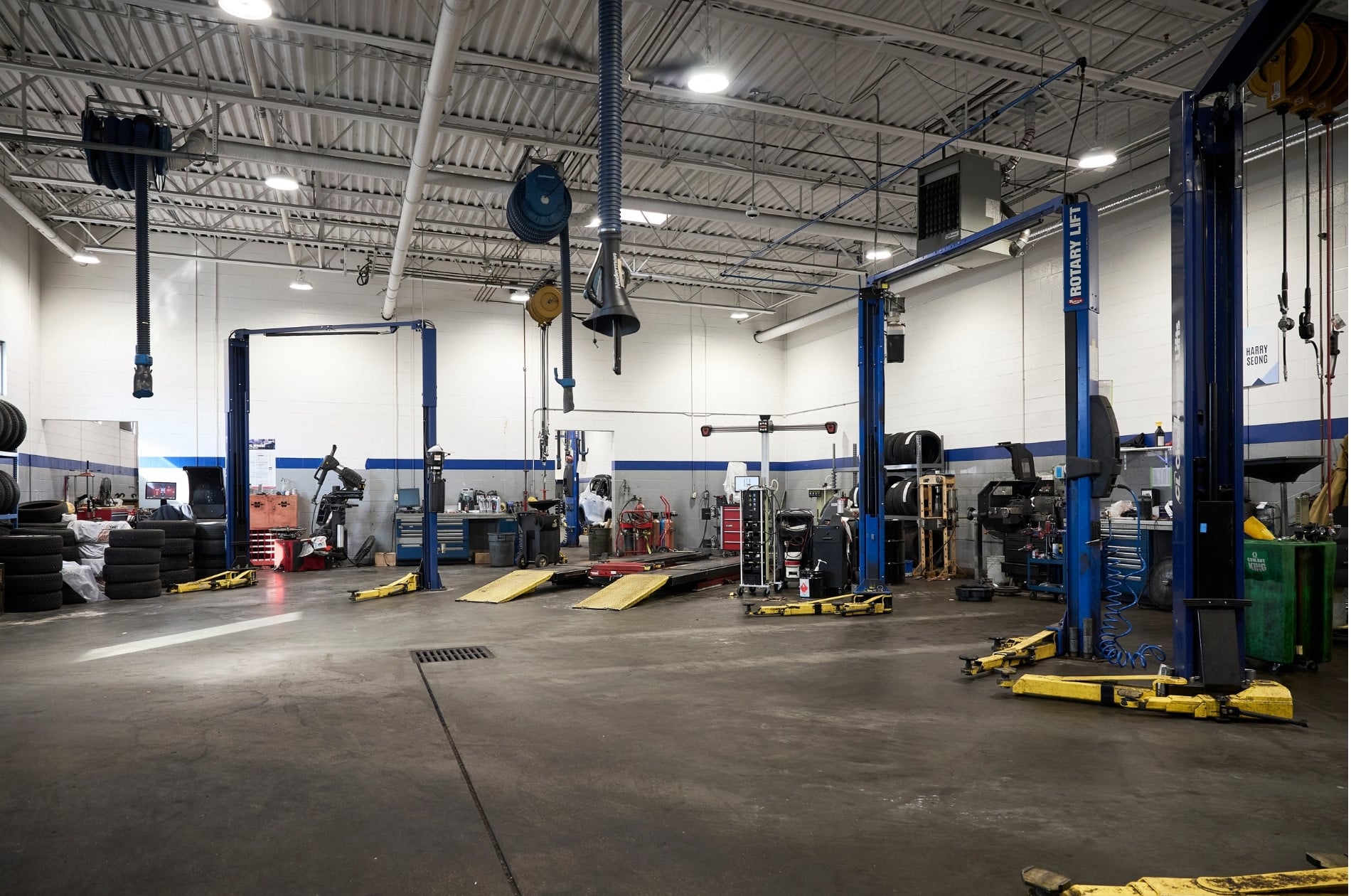
The exact work depends on the vehicle and the service interval. In general, the technician will look over the areas that affect safety, reliability and everyday driving.
This may include the tires, brakes, fluids, battery, filters, steering and suspension. Gas and hybrid vehicles also have engine-related maintenance. Electric vehicles follow a different schedule because they do not need a traditional engine oil change.
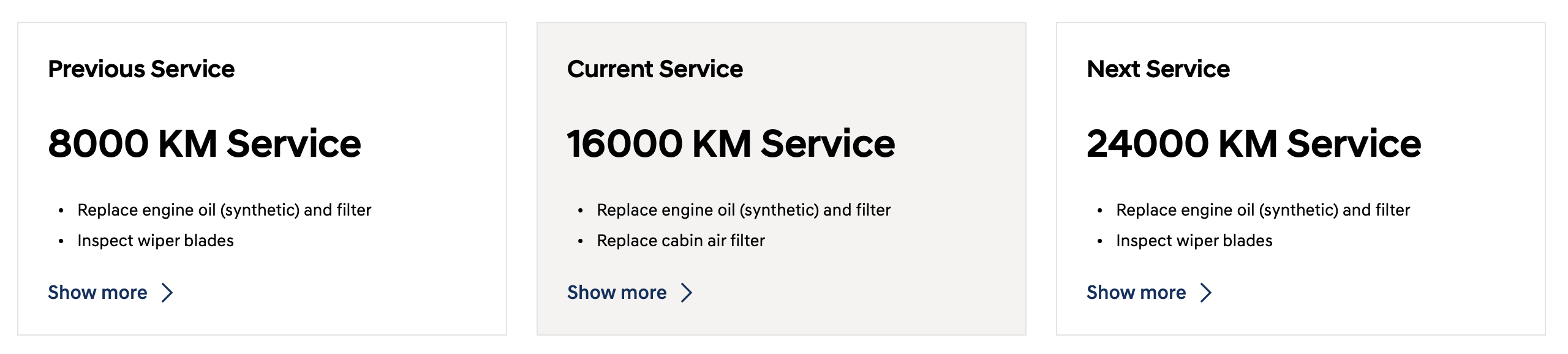
We have a separate page that shows the full Service 1, Service 2 and Service 3 breakdown. That is the best place to see the detailed list without turning this article into a service manual.
Want to See the Full Maintenance List?
Review the recommended service items for gas-powered and electric Hyundai vehicles.
Gas, Hybrid and Electric Hyundais Are Not Serviced the Same Way
They share some basic maintenance needs, but there are important differences.
Gas Vehicles
A gas-powered Hyundai needs regular engine oil and filter changes, along with checks of the brakes, tires, fluids, battery and other major components.
Hybrid Vehicles
A hybrid still has a gasoline engine. It needs much of the same routine care as a gas vehicle, plus inspections related to the hybrid system.
Electric Vehicles
An EV does not need engine oil, but it still needs tire, brake, cooling-system, steering, suspension and 12-volt battery checks.
Even a Vehicle That Sits Can Develop Brake Problems
People often connect brake wear with high mileage. That is only part of it.
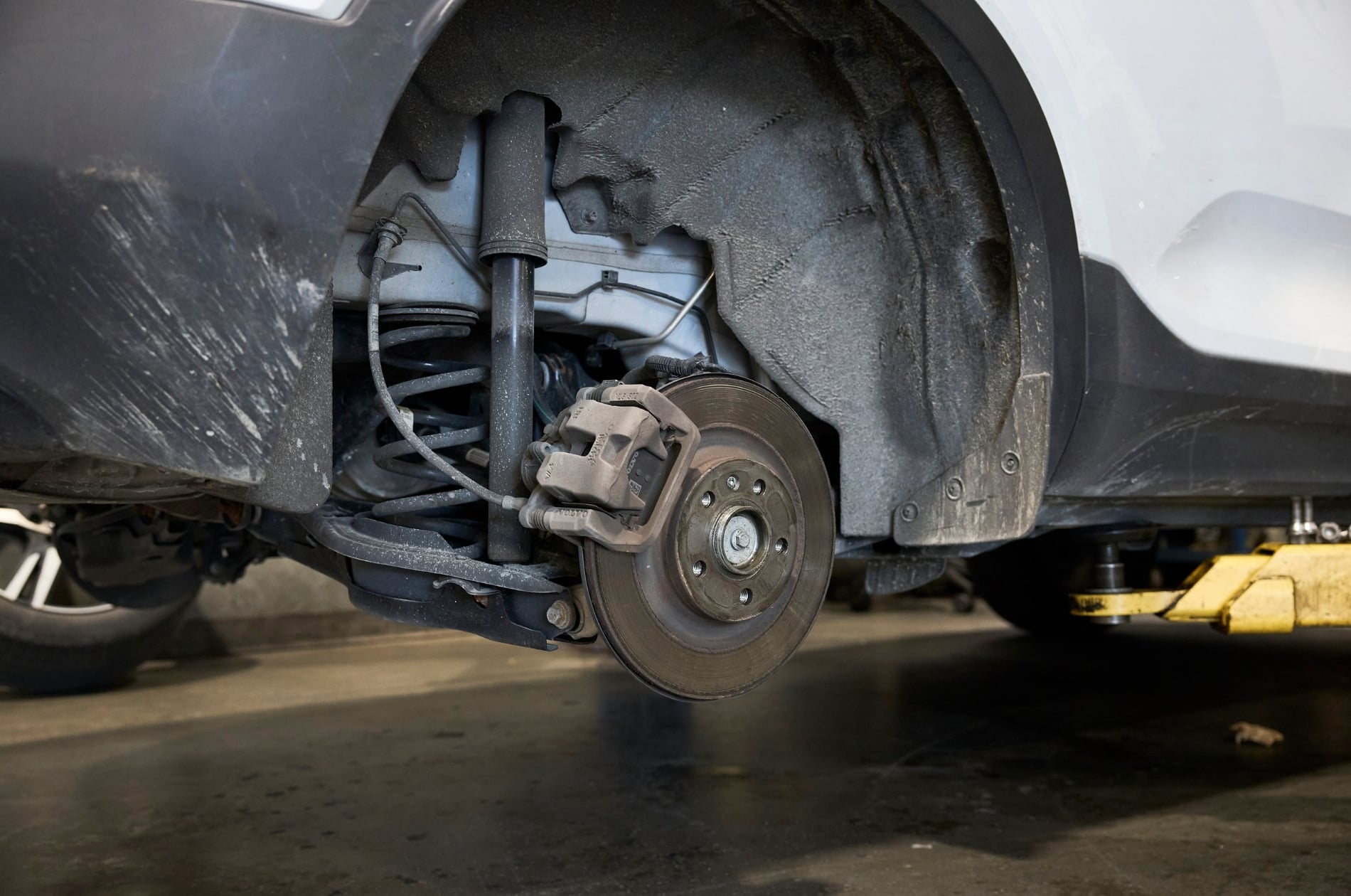
A vehicle that sits outside may develop rust or corrosion on its brake components. Our wet Lower Mainland weather does not help. Hybrid and electric vehicles can also use their traditional brakes less often because regenerative braking slows the vehicle in many situations.
That does not mean those brakes can be ignored. They still need to be inspected and serviced when required.
Brakes and tires need regular attention on gas, hybrid and electric vehicles.
Think About the Season Ahead
A seasonal check is a good idea before a long trip or a major change in weather.
Before Summer Trips
- Check tire pressure and tread
- Make sure the air conditioning works well
- Check fluid levels
- Inspect the cooling system
Before Fall and Winter
- Test the battery
- Check the brakes and tires
- Inspect the wipers and lights
- Test the heat and defrost settings
Keep Your Service Records
Service records make future visits easier. They show what has already been done and help your technician avoid guessing.
A documented history can also be useful when you sell or trade the vehicle. It gives the next owner a clearer picture of how the Hyundai was cared for.
Not Sure What to Book?
You do not need to diagnose the vehicle yourself. Before you contact us, gather whatever information you have.
From there, a Service Advisor can recommend the right appointment for your Hyundai.
Keep Your Hyundai Ready for the Road
Regular service does not need to be confusing. Pay attention to mileage, time and changes in how the vehicle drives. When you are unsure, ask.
The service team at Murray Hyundai White Rock is here to help with routine maintenance, inspections and unexpected concerns.